What Repeat Cruisers Know That First-Timers Do Not
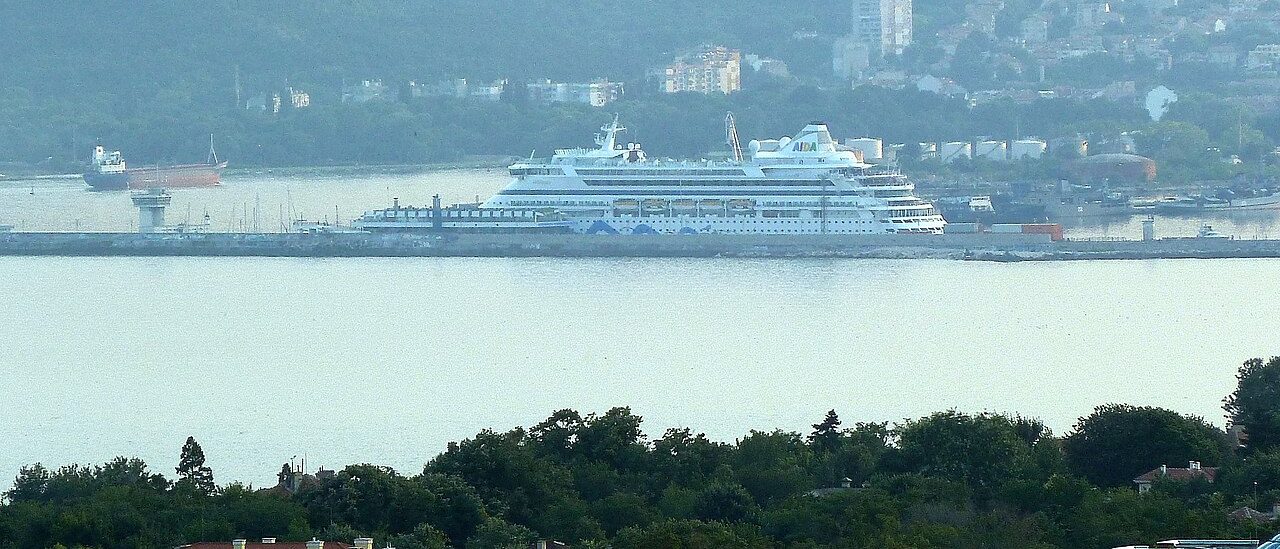
Why do people who have sailed ten times seem so relaxed about things that stress a first-timer?
It is not experience for its own sake. It is a small set of facts they have learned the hard way.
We asked four frequent cruisers to tell us the one thing they wish they had known before their first sailing.
The answers overlapped more than we expected, and three of them concerned money.
The first answer: boarding day is not a day
Every one of the four said the same thing about the first afternoon.
You will queue to drop luggage, queue to check in, queue for the security photograph and queue to get on board.
On a large ship that can take three hours.
One of them, who has sailed twenty-six times, now books an afternoon flight the day before and stays near the port, because arriving tired to a three-hour queue ruins the first evening.
The second: your cabin will not be ready
Related to the first, and almost universally missed.
Cabins are usually available from early afternoon, but boarding can start hours before that.
You will be carrying your hand luggage around a ship full of people for two hours.
The fix is to pack so that your hand luggage is small enough to sit with, and to go straight to the pool deck where there is space and a bar.
Everyone who has sailed more than five times does this without thinking about it.
The third: the drinks package is a calculation, not a default
Three of the four had strong views here, and they disagreed.
One buys it every time because she drinks four coffees a day and two glasses of wine, which clears the break-even comfortably.
Two never buy it because they drink less than the threshold and would be paying for a permission they do not use.
The lesson is not which choice is right. It is that the break-even is usually five to seven drinks a day including speciality coffee, and most people overestimate how much they will drink on a port-heavy itinerary.
The fourth: book speciality dining on day one
This one came with a specific number.
On a ship with four speciality restaurants and three thousand passengers, the good slots at good times are gone by the second evening.
One cruiser books all her speciality dinners on the first afternoon, before she has even unpacked.
She also books the days she is in port for the latest slot, because the restaurants are quietest when everyone is ashore.
The fifth: the port is not the excursion
All four described the same early mistake: treating the ship’s excursion list as the only way to see a place.
On a port with a town centre within walking distance, they now get off and walk.
On a port where the interesting thing is ninety minutes away, they take the ship’s tour, because the guarantee that the ship waits is worth the premium on a tight call.
The rule of thumb one of them uses: if the journey is under thirty minutes, go independently. If it is over ninety, take the tour.
The sixth: the last night is a waste
Three mentioned this and it surprised us.
On the final evening you pack, you settle the bill, you put your bag outside the door by ten, and you leave early the next morning.
Booking an expensive speciality dinner or a spa treatment on the last night is a waste of money because you will not enjoy it.
They front-load the good dinners into nights two to five, when they are still relaxed.
The seventh: you will spend more than you plan
Every one of the four overspent on their first sailing.
Two of them by more than fifty per cent.
The mechanism is the same each time: the bill is not settled until the end, so the spending does not feel real until it is over.
Their current practice is to check the account balance on the cabin television every second day, which makes the total visible while there is still time to change behaviour.
The eighth: what they stopped caring about
We asked what no longer bothers them, because that is where the calm comes from.
Cabin grade, for two of them. They book inside or oceanview and put the money into excursions and dining.
Formal nights, for three. They bring one outfit and do not attend the rest.
What they still care about, unanimously, is the itinerary. Not one of them has ever regretted choosing ports over a better cabin.
What to do next
Before your next sailing, do four things: arrive the day before, keep your hand luggage small, calculate your drinks break-even honestly, and book your speciality dinners on the first afternoon.
Then check your onboard account every second day instead of on the last night.
And put the money you would have spent on a cabin upgrade into two good excursions, because that is the trade every experienced cruiser we spoke to has already made.